

Understanding Bioactive Compounds
In Mushrooms
As “functional foods” (ingredients that offer health benefits beyond basic nutrition) gain momentum, researchers are increasingly looking at how mushrooms can support long-term health.
Understanding the Bioactive Compounds
In Mushrooms
One of the most effective ways to understand this impact is through the MIND Diet. Think of the MIND diet as a “security system” for your brain. It is a plant-forward eating pattern specifically designed to support brain health by reducing oxidative stress and inflammation. While the diet highlights leafy greens and berries, mushrooms are recognized as a vital “non-starchy” vegetable that provides bioactive compounds nature designed for protection.
Ergothioneine: The “Cell Protector”
At the center of this scientific intrigue is a compound called ergothioneine, or ERGO. Think of ERGO as a “VIP escort” for your cells. Unlike other antioxidants that float aimlessly through the body, ERGO has a dedicated transporter that shuttles it directly to the areas that need it most, like your brain.
Because the human body cannot produce ERGO on its own, we rely entirely on what we eat to build up this defense.
Where to Find ERGO
While the scientific community is zeroing in on mushrooms as a primary source for these compounds, they do exist in other parts of a balanced, brain-healthy diet.
Trace amounts can be found in other foods such as tempeh, oats, and organ meats, but the levels in the fungal kingdom are significantly higher. For example, a serving of grains might contain trace levels, certain specialty mushrooms offer a concentrated boost:
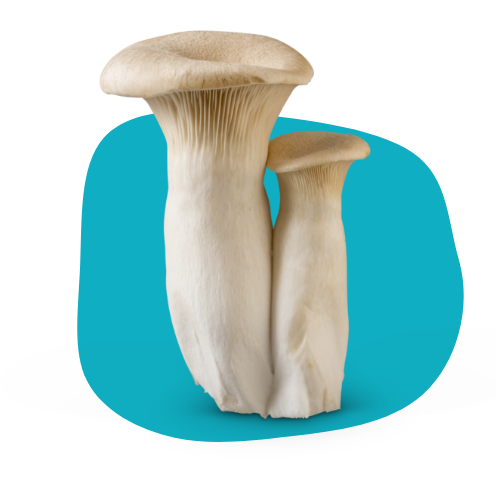
King Trumpet: 24mg*
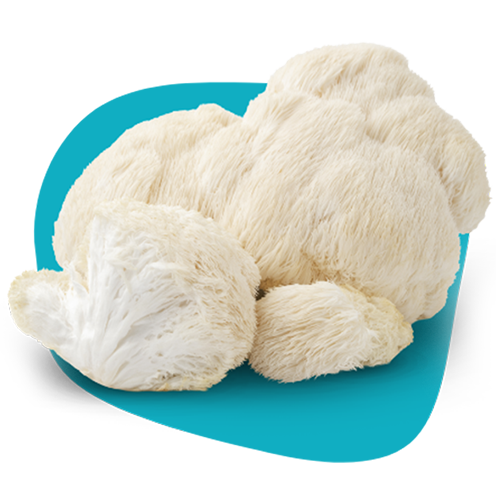
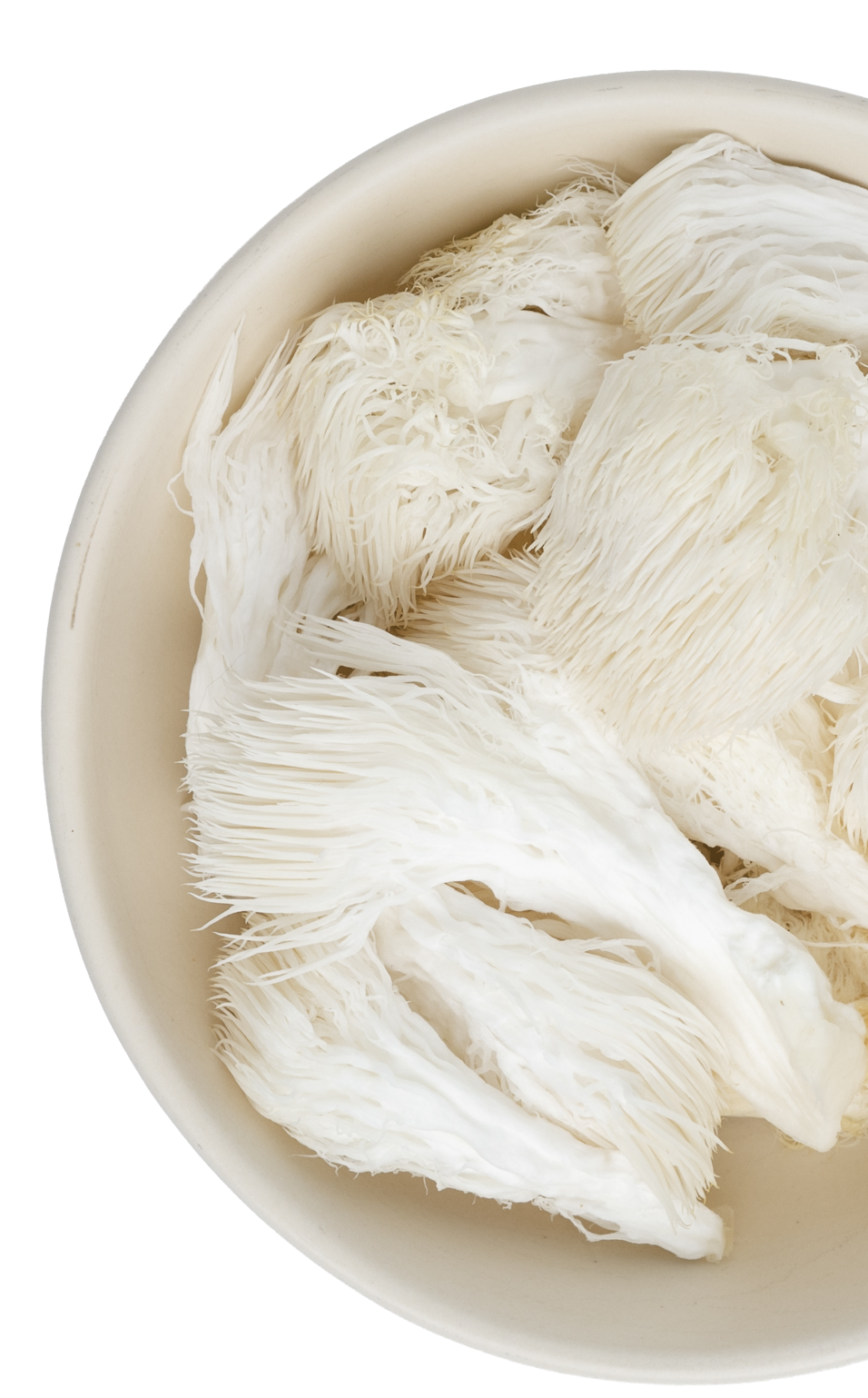
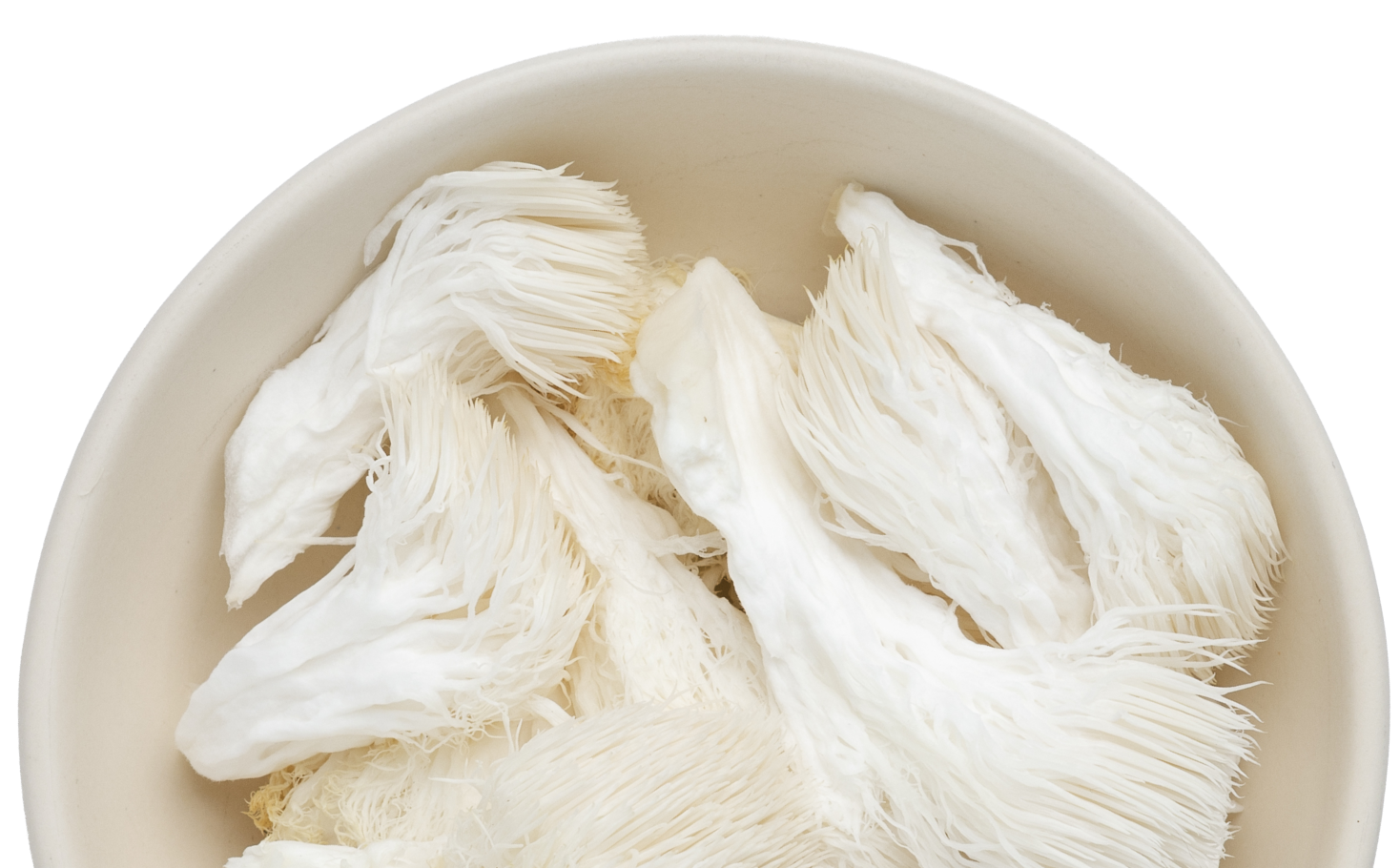
Lion’s Mane: 17mg*
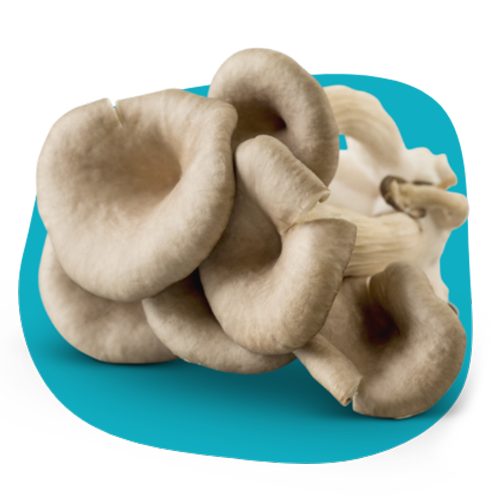
Oyster: 14mg*
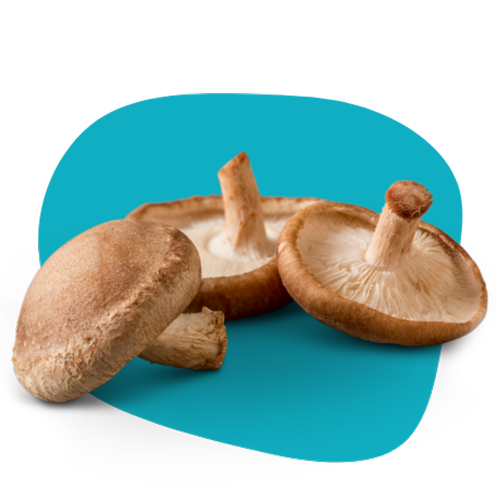
Shiitake: 11mg*
Recent studies have highlighted a promising link between mushroom consumption and cognitive performance, suggesting mushrooms may play a role in supporting memory and processing speed as we age.
*per 100g
Beta-Glucans: The Immune System Trainer
While ERGO guards the cells, beta-glucans work to support the body’s natural defenses. These long-chain carbohydrates act as prebiotics, passing through the digestive tract to feed the beneficial bacteria in your gut microbiome.
Where to Find Beta-Glucans
While mushrooms are a primary functional source of beta-glucans, these specialized fibers are also found in several heart-healthy dietary staples. Understanding the structural differences between these sources helps you choose the right “trainer” for your specific wellness goals.
- Cereal Beta-Glucans: These are linear fibers (1,3 and 1,4 linkages) in oats and barley that are primarily studied for their ability to support heart health and manage cholesterol.
- Fungal Beta-Glucans: Beta-glucans in mushrooms are structurally unique. Unlike those found in oats or barley, fungal beta-glucans have a complex, “branched” structure (specifically 1,3 and 1,6 linkages). This specific architecture allows them to interact directly with immune cells, effectively “priming” the immune system to identify and destroy harmful invaders.
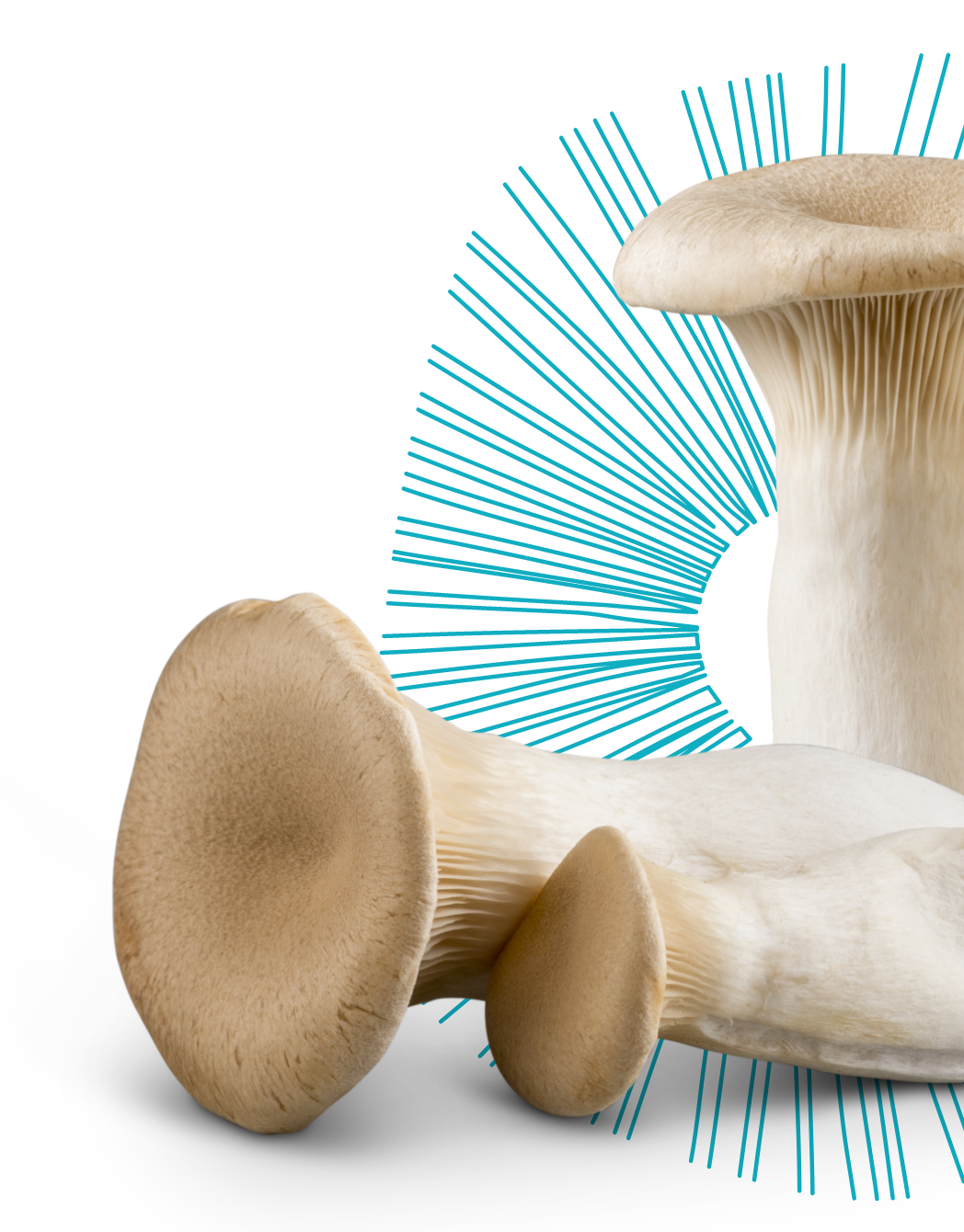
Research shows that different varieties offer varying levels of these compounds, typically higher in oyster and shiitake mushrooms.
Oyster Mushrooms:
Often contain the highest levels of beta-glucans, documented between 32.5–37.4g per 100g.
Shiitake Mushrooms:
Rich in specific beta-glucans like lentinan, particularly in the caps.
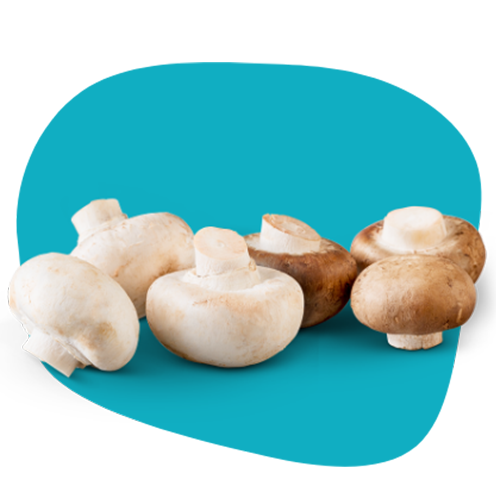
White & Brown Mushrooms:
While lower than specialty varieties, they remain significant dietary contributors to overall intake.