
For today’s produce category managers, the organic section is no longer just a “nice-to-have” specialty niche. It is a vital engine for growth, and fresh mushrooms are leading the charge. Recent performance data reveals that mushrooms hold a significantly higher organic market share compared to total vegetables or produce categories as a whole.
By analyzing the latest Organic Mushroom Sales and Performance Review, retailers can move beyond broad assumptions and implement a precision-targeted strategy to maximize shelf performance and basket size.
1. Focus on the “Big Three” to Capture 92% of the Market
Data indicates that organic mushroom sales are highly concentrated. In fact, agaricus (white and brown) account for more than 80% of the entire organic market:
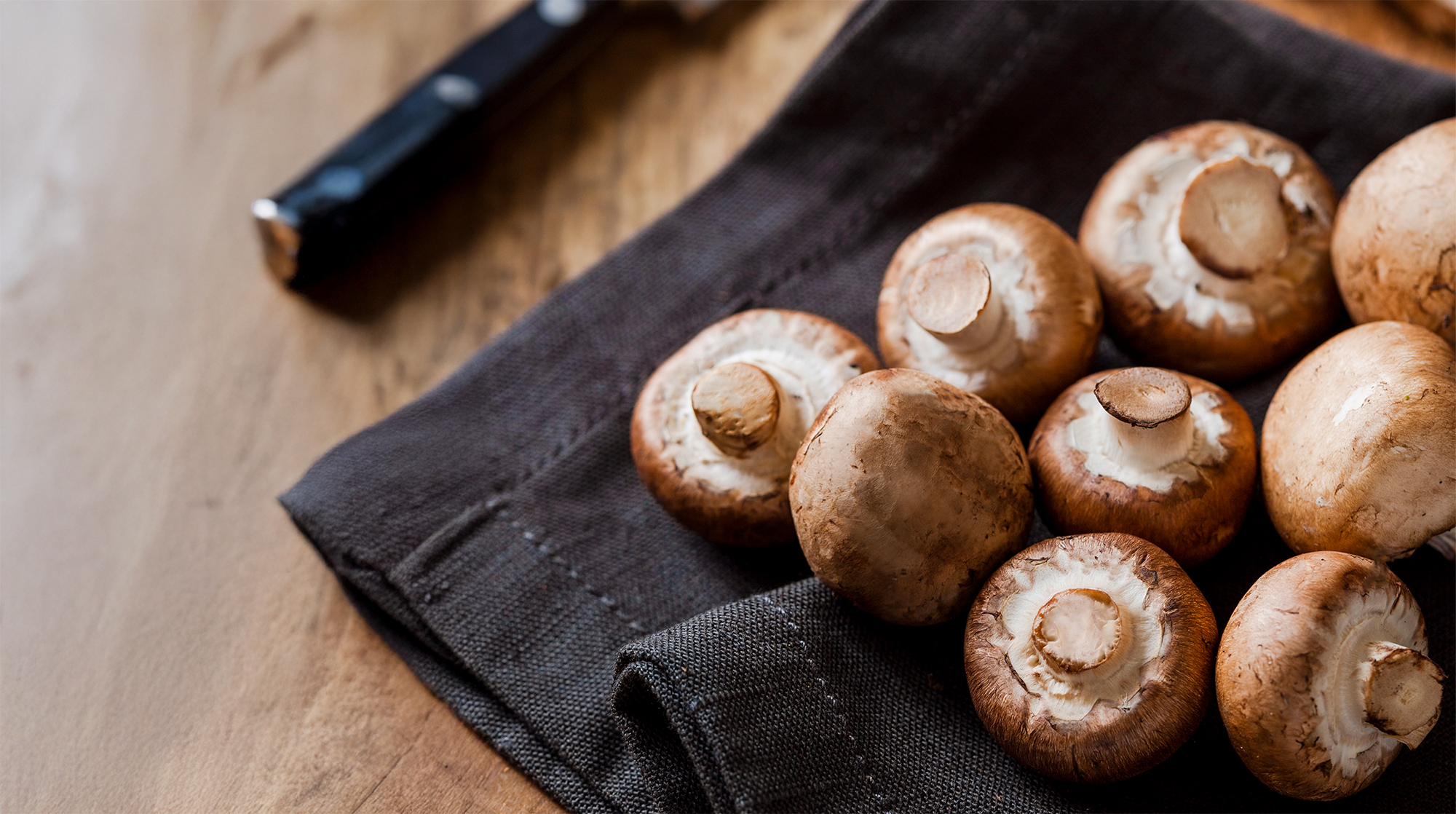
- Crimini (Baby Bella): The undisputed leader, representing 52.2% of total organic fresh mushroom dollar sales.
- White Mushrooms: A reliable staple, making up 28.7% of organic dollars.
The Strategic Action
Rather than over-extending into low-turnover specialty varieties, retailers should prioritize premium shelf placement and inventory depth for these two high-velocity staples.
2. Leverage the “Hero SKU”: The 24oz Organic Crimini
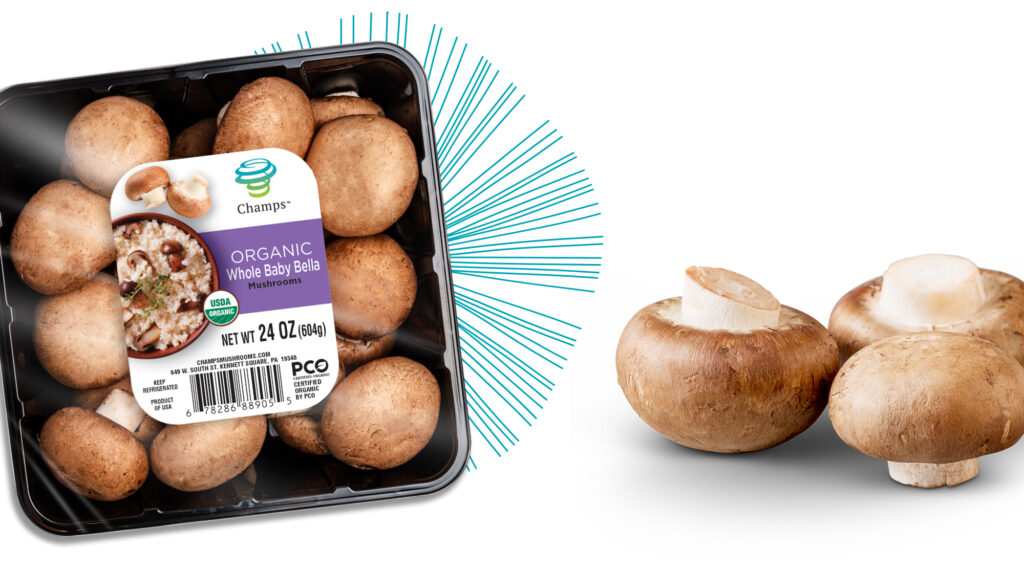
If there is one product every retailer should have in their set, it is the 24-ounce organic whole crimini. This specific package is not only the largest seller in the organic category but is also responsible for adding the most new dollars, units, and volume (pounds) to the total category.
Why it works:
- Addressing Food Waste: Sliced mushrooms have recently underperformed across the board, likely due to increased consumer focus on food waste and shelf-life.
- Whole is Trending: Consumers are trending toward whole mushroom formats for their versatility and perceived freshness.
The Strategic Action
Review your current SKU mix to ensure the 24oz organic whole crimini is a focal point of your organic set. Transitioning space away from underperforming 16oz sliced formats toward this “hero” 24oz SKU can capture the current consumer demand for larger, whole-format value packs.
3. Capitalize on the Smallest Pricing Gap in Produce
The most compelling business case for organic mushrooms lies in their pricing. While the average organic produce item is priced 61.3% higher than conventional, and total organic vegetables carry a staggering 94.6% premium, mushrooms are the exception.
- The 14.9% Advantage: On average, organic mushrooms cost only $0.64 more per pound (a 14.9% difference) than their conventional counterparts.
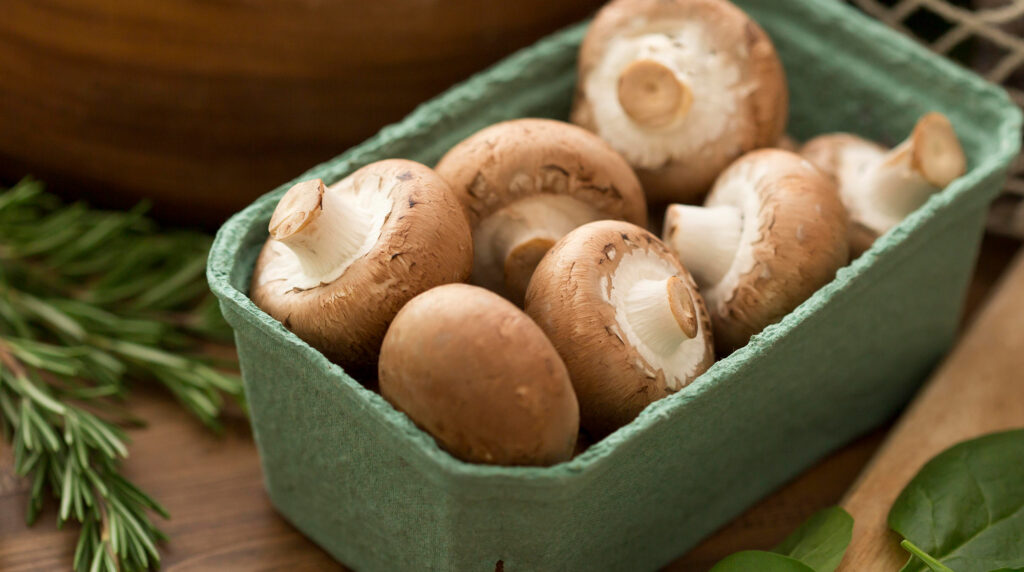
- The Crimini Anomaly: In a rare market occurrence, organic crimini mushrooms were actually retailed at a lower price per pound than conventional over the past year.
The Strategic Action
Use these narrow price differentials as a low-risk entry point to encourage conventional shoppers to “trade up” to organic. Highlighting the value of organic crimini through signage or promotions can drive high-value conversions with minimal “sticker shock” for the customer.
4. Target Emerging Regional Growth
While “early adopter” regions like California hold the highest organic share at 38.9% , these mature markets are currently experiencing year-over-year sales declines. The real opportunity for expansion lies in regions with currently below-average organic presence that are trending upward.
- Growth Leaders: The Southeast (+6.2%), Mid-South (+5.9%), and Northeast (+3.4%) regions are all showing dollar sales growth.
- Distribution-Led Growth: Data suggests that organic sales gains in these regions are primarily driven by distribution gains—simply making the organic product available is the primary driver of growth.
The Strategic Action
For stores in the Southeast, Mid-South, and Northeast, prioritize expanding your organic mushroom assortment. Because growth in these regions is driven by availability, introducing the “Big Three” in these markets offers a clear path to capturing untapped organic demand before your competitors do.
The Bottom Line for Retailers
The path to mushroom category growth is clear: Distribution is the driver. By expanding organic assortment (specifically in larger-format whole crimini) and leveraging the narrow price gap between conventional and organic, retailers can capture a higher-value shopper and drive significant category lift.
Source:
- 2025 Organic Mushroom Sales and Performance Industry Review
- Circana, Integrated Fresh, MULO+ for the 52 w.e. 11/2/2025